Why We Created Focus Plus Academy
Focus Plus Academy began with a gap we had experienced firsthand.
We knew students who were capable of more than their school experience was allowing them to show. They needed more individual attention, structure, flexibility, or explicit teaching than a traditional classroom could consistently provide, but they did not need an intensive or highly specialized setting. There seemed to be very little designed for students in that space in between.
We had also seen how dramatically the same student’s school experience could change depending on the teacher in front of them. With one teacher, a student could feel capable, engaged, and successful. With another, that same student could become frustrated or discouraged.
Often, the difference was whether the adult understood how the student learned, recognized what might be getting in the way, and knew how to respond effectively.
We wanted a school where that understanding was not left to chance. A school where support could be provided when it was needed, missing skills could be taught rather than simply prompted, and the skills students need for greater independence were considered an important part of education.
That led us to a simple question:
Why couldn’t the whole school be designed this way?
Focus Plus Academy grew from that question. We wanted to help fill the gap we had seen and build the kind of school we had spent years wishing existed.

A Whole School Designed Around
Students Who Learn Differently
At Focus Plus Academy, support is not a separate program added onto a traditional school model. It is part of how the school was designed from the start.
Our teachers share a collaborative approach to working with students, creating greater consistency across the school. A student should feel understood by the school as a whole, not simply by the individual teachers who happen to understand them best.
We also believe in Skill vs. Will. When something is not working, we first look at what may be getting in the way rather than assuming a student is unwilling to try. A missing skill, overwhelm, executive-functioning challenge, or another barrier may need to be understood
before it can be addressed effectively.
Just as important, we want students and families to feel that they belong here. Students should feel known for who they are, recognized for their effort and growth, and supported as they become more capable and independent. Families should feel welcomed, and confident that their child is part of a school that understands how differently capable students may need to learn.
What Success Looks Like
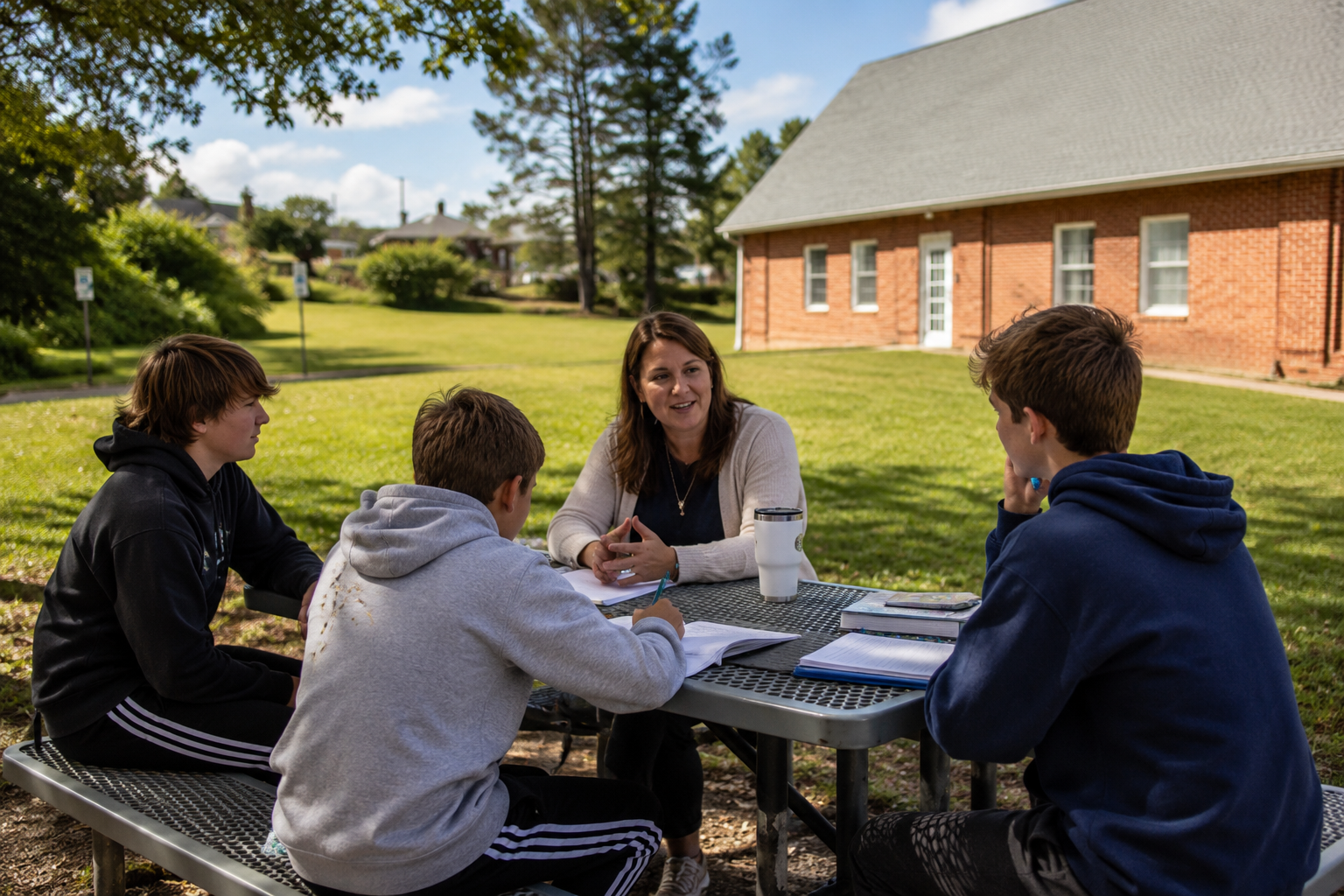
Success begins with meaningful academic progress, but it does not end there.
We want students to become better able to manage their work, communicate clearly, solve problems, advocate for themselves, and understand how they learn best.
The support students receive today should help them build the skills, strategies, and self-awareness they can use more independently over time.
Over time, success means becoming a stronger student and a more capable, confident, and independent young person.
Who Tends to Thrive at Focus Plus Academy
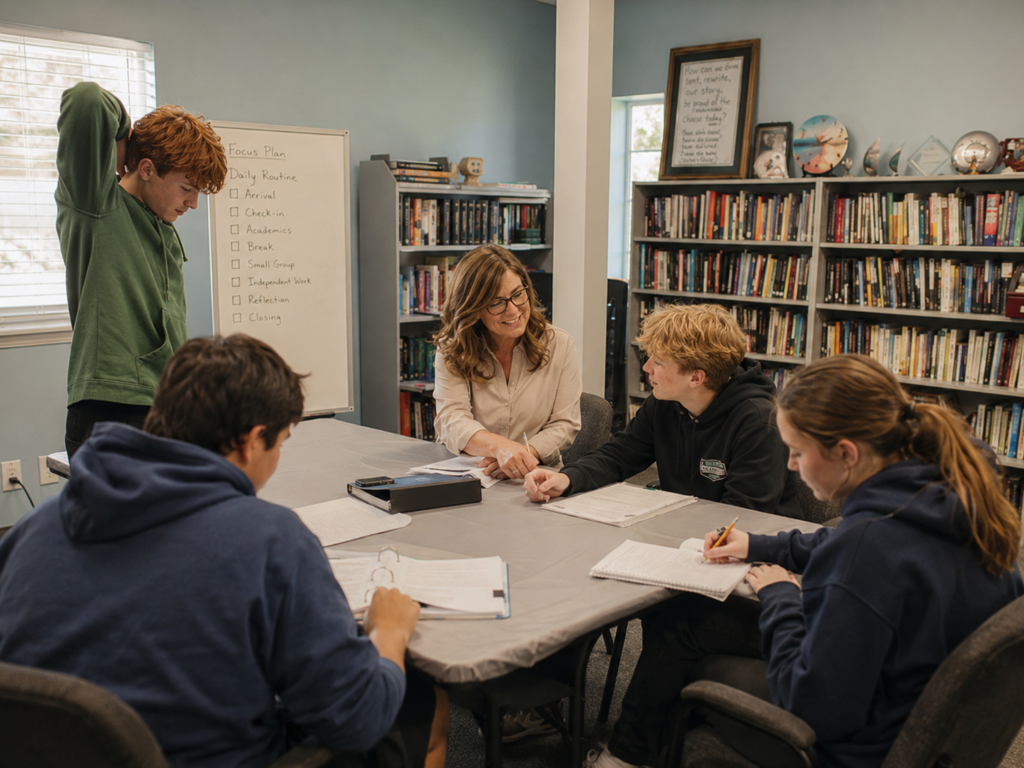
Focus Plus Academy tends to be a good fit for students who can participate in an academic school environment and benefit from smaller classes,
clear expectations, flexible support, and teachers who understand how they learn.
We also work best with families who value meaningful academics, collaboration with the school, and an educational approach that recognizes
students may need different kinds of support to do their best work.

When Another Setting May Be a Better Fit
Focus Plus Academy is an academic school, not a therapeutic, clinical, or intensive behavioral program.
We are also not an intensive remediation program. Students whose primary needs require that level of specialized intervention
may be better served by a program designed specifically to provide it.
Every student is different, so we consider the whole student when determining fit. Our goal is to serve the students we are well designed to support.
Interested in Learning More?
If you would like to explore whether Focus Plus Academy may be a good fit for your student,
send us an enrollment inquiry and we will reach out to schedule a conversation.